
Bath
Vanities, tubs, showers, toilets, faucets and bath accessories.
Bath
Filters
Filters
Category
Price
Brand

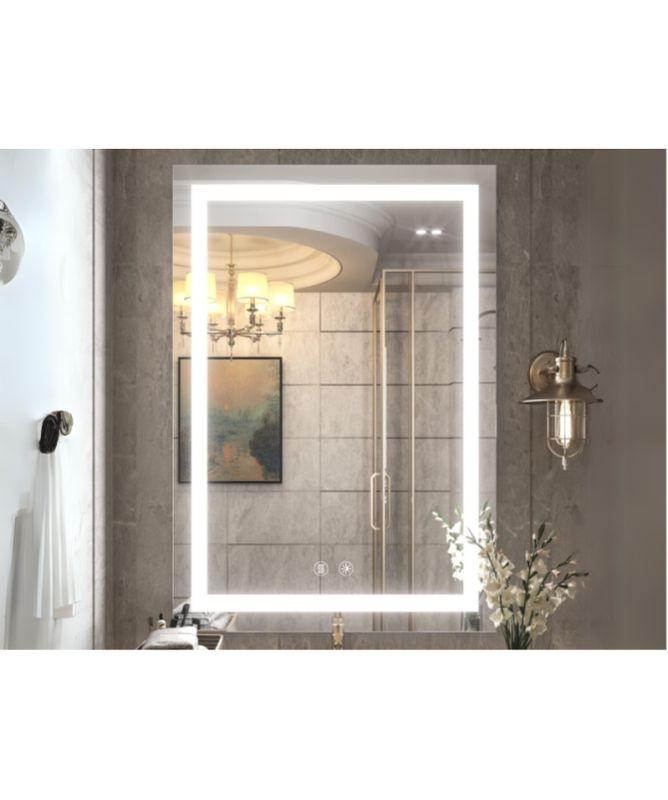
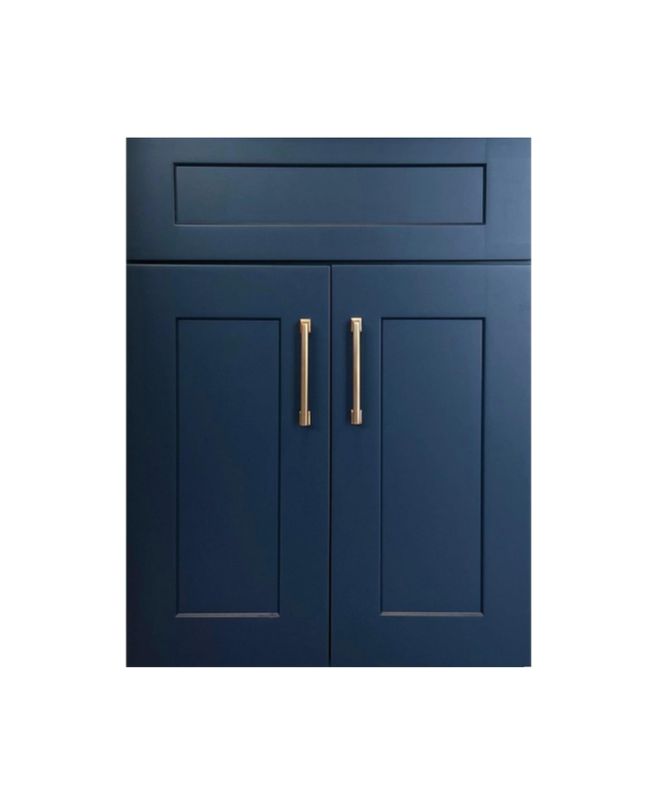
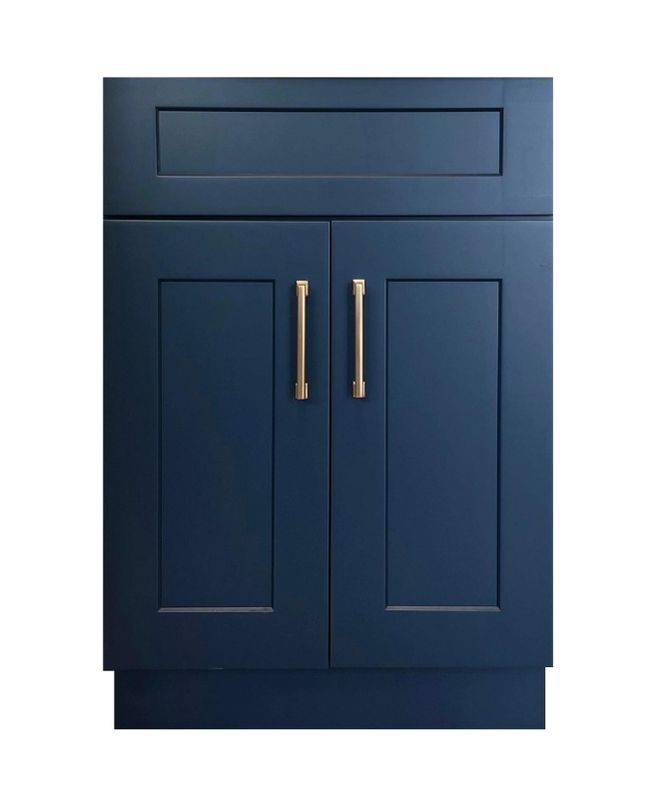
Bath buying guide
Start a bathroom with what's behind the walls: drain and supply locations decide where the toilet, vanity and shower can go without moving plumbing. Then choose fixtures that fit the room. Leave clear space in front of the toilet and vanity, and size the shower to the space and the drain. Waterproof every wet wall and floor under the tile.
What is a toilet's rough-in?
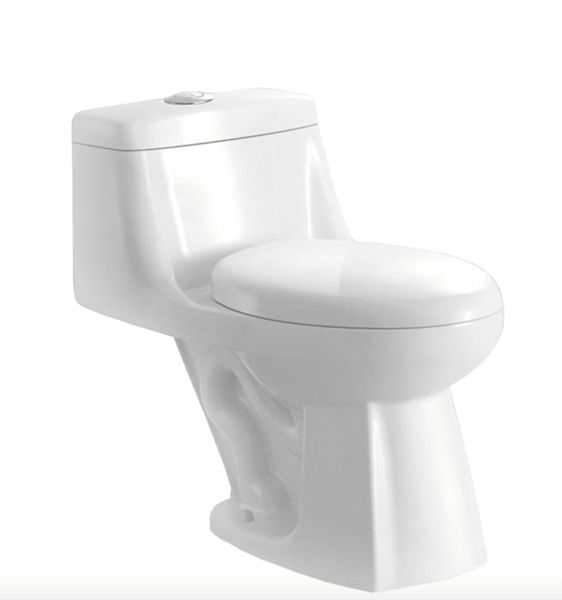
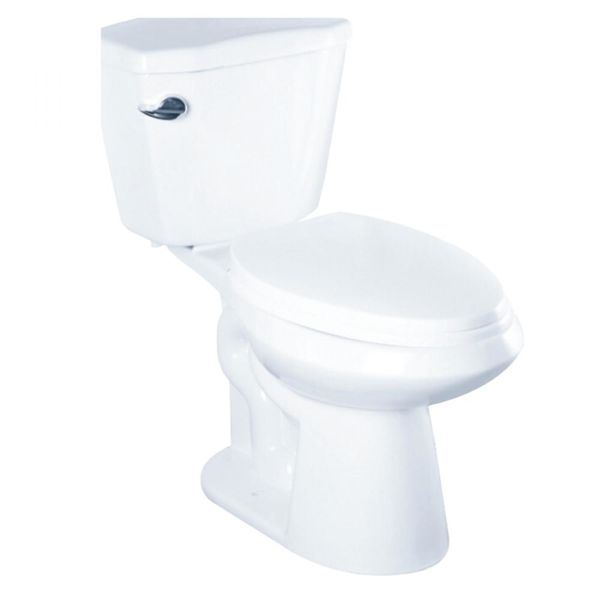
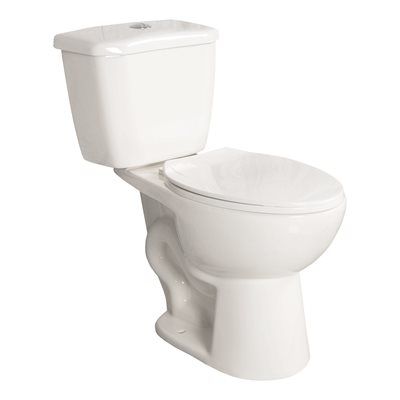
The rough-in is the distance from the finished wall (not the baseboard) to the centre of the toilet flange bolts. 12" is standard. 10" and 14" exist in older homes. Measure before buying, because a toilet must match the rough-in. A two-piece or one-piece toilet makes no difference to this.
How do I choose a vanity size?
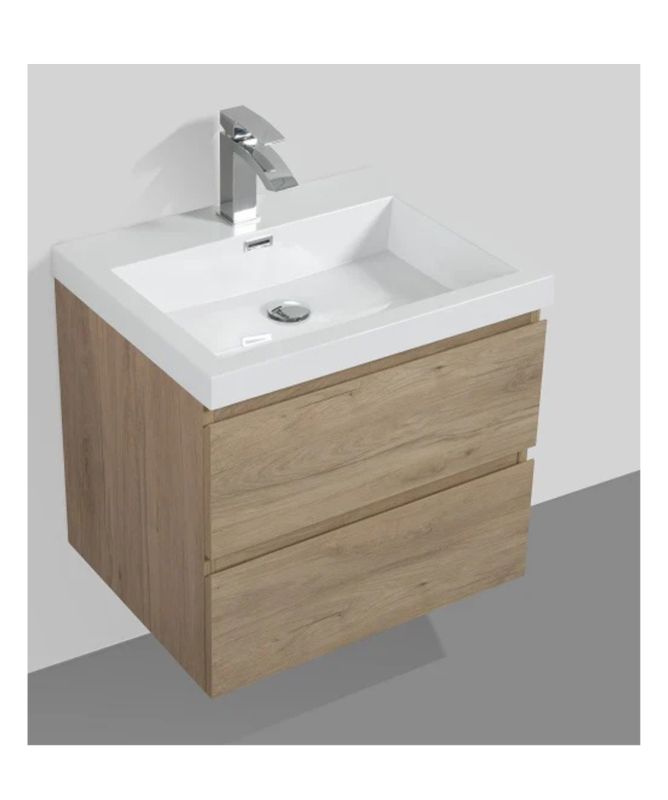
Common widths are 24", 30", 36", 48" and 60" (60" and up can take double sinks). Allow clearance for the door swing and for the space beside the toilet. Check whether the vanity comes with a top, and whether the faucet holes are single-hole, 4" centreset or 8" widespread, to match the faucet you want.
What should go behind shower tile?
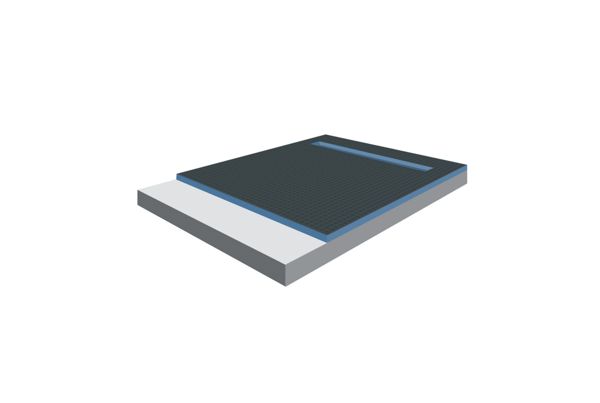
Use cement backer board or a foam board system, plus a waterproofing membrane: sheet or liquid-applied, as the maker specifies, carried over the walls and the floor or shower base. Grout and tile are not waterproof on their own. Regular drywall should never be used inside a shower.
What does a toilet's flush rating mean?
Flush volume is in litres per flush (lpf). 4.8 lpf (1.28 gpf) and lower is considered high-efficiency, and dual-flush models offer a smaller flush for liquids. MaP test scores, where published, show how much solid waste a toilet clears in one flush. Higher is better.
Do I need a bathroom exhaust fan?
The building code requires mechanical ventilation in bathrooms, and a fan is the usual way to provide it. Size it to the room (a common rule is at least 1 CFM per square foot for standard ceilings), duct it outdoors, never into the attic, and choose a low sone rating for a quieter fan.
General guidance only: building codes and permits vary, so confirm requirements for your project with your municipality. Need quantities? Try our project calculators or ask us.